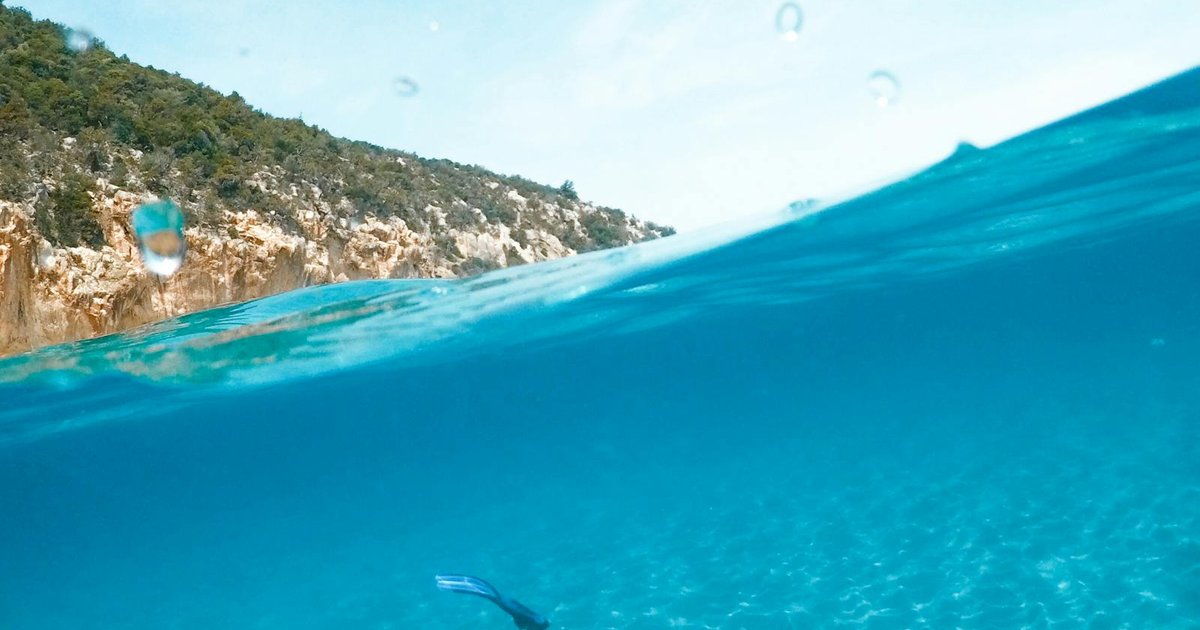
Guests ask us this more than almost any other question: where should we snorkel? It's a fair question — Corfu's water is famously clear and our house is a few minutes from some of the best spots on the island, but the tourist information you'll find online is generic. Below is the list we actually give to guests over breakfast coffee on the terrace.
These are the spots we swim ourselves. Some are five minutes from the beach house; others are worth a morning drive. All of them deliver the sort of clarity that makes people stop mid-sentence when they step back out of the water.
What Makes Corfu Special
The Ionian around Corfu is deep and unusually clear — less plankton, less sediment, and a limestone shoreline that creates crevices and overhangs where fish congregate. Visibility of 20 metres is ordinary here; 30 on a calm morning is achievable. Water temperature runs 22–27°C from June to October, and the east and north coasts stay sheltered from the wind that churns up other Greek seas.
Our Eight Recommended Spots
La Grotta, Paleokastritsa
If a guest only has time for one snorkel, we send them here. A rocky platform cut into the cliff, a ladder into deep water, and an underwater wall that drops away dramatically. The cliff face is covered in sponges and small corals; octopus live in the overhangs a few metres north of the ladder. The clearest water on the island, hands down.
Nissaki
Our go-to when guests bring children. The cove is sheltered, the white pebbles light up the water from below, and there's a rocky outcrop a short swim out that's covered in sponges and parrotfish. Three family tavernas overhead for lunch afterwards. We've spent many afternoons here ourselves, and the fish never disappoint.
Kalami Bay
Durrell's old bay. The centre is shallow and not much to see, but the northern headland is where locals swim — submerged boulders, sea urchins, cuttlefish at sunrise. A favourite early-morning spot before the bay fills up with tourist boats from Corfu Town.
Bataria, Kassiopi
Tucked beneath the old Byzantine fort in Kassiopi. Ancient stone walls once descended into the sea here; now it's a tumble of boulders with gaps between them — a fish apartment block. Shallow enough that nervous snorkelers or older children can explore the lot. One of our underrated favourites.
Barbati Beach
Not our first pick for snorkeling specifically, but if you're having a beach day here anyway, swim to the southern end by the small harbour. That stretch has bigger fish than most of the quieter coves — decent-sized sea bream, sometimes barracuda passing through — and the easy beach access means you can combine it with sunbathing.
Rovinia Beach, Liapades
The island's wildest snorkel. Twenty minutes on foot through olive groves, or a quick boat from Liapades harbour. The reward is water so clear the boats floating offshore look suspended in air. The octopus here are bold; the bay is often empty on a weekday. Bring lunch and stay.
Agni Bay
More of a lunch destination than a snorkeling one, but the Posidonia meadows on the left side of the bay hide seahorses and pipefish if you're patient. We like this as a half-day plan: snorkel slowly for an hour, then lunch waterside at one of the three tavernas that have been there for three generations.
Canal d'Amour, Sidari
Best for kids. Narrow sandstone channels create natural swim-throughs, the water is never deeper than four metres, and there's enough micro-terrain to keep a curious ten-year-old busy for an hour. Early morning only — by midday the bottom is stirred up.
From us, the owners
The biggest mistake we see guests make is snorkeling in the afternoon. By 2pm the sea breeze has picked up, visibility drops by half, and every other swimmer in the bay has already stirred the sediment. Be in the water by 9am — even on holiday, it's worth the small sacrifice of morning coffee on a timer.
When to Come
Our peak snorkeling weeks are mid-June through late September. Water is warmest in August but the water's visibility is equally good in June and September with half the crowds. Late May and early October are also swimmable with a thin rash vest. We stop recommending winter snorkeling even though the water stays clear — it's simply cold.
Getting There from the Beach House
Our beach house sits on Corfu's northwest, which puts Paleokastritsa and Rovinia within a 20-minute drive, and the northeast spots (Nissaki, Kalami, Kassiopi) about 45 minutes. Without a car you'll struggle to reach the quieter spots — buses thin out on the coastal roads. We can arrange a rental on arrival through our partner:
Car Hire with Herbie
Herbie delivers free to our beach house, the airport or the port. Economical, reliable, and they know our guests. Perfect for a day exploring two or three snorkeling spots along the coast.
Book a carGear We Recommend
Your own mask if you have one — rentals leak and the wrong size ruins a swim. A decent travel mask is £20 and fits in hand luggage.
Water shoes. Not optional. Sea urchins on every rock, and most of our recommended spots have pebble or rock entry points.
A waterproof phone pouch is enough for most guests. Serious photographers bring a GoPro. Neither is compulsory but the visibility here makes you want to record.
Staying With Us
Our beach house sleeps a family, is minutes from the coast, and gets you close enough to snorkel before breakfast. If Corfu Town is more your pace, our sister apartment Oikia 4 sits inside the Old Town — better for museum days, not as good for morning dips.
For other local favourites, see our east coast beaches guide or our guide to Corfu's deeper dive sites.