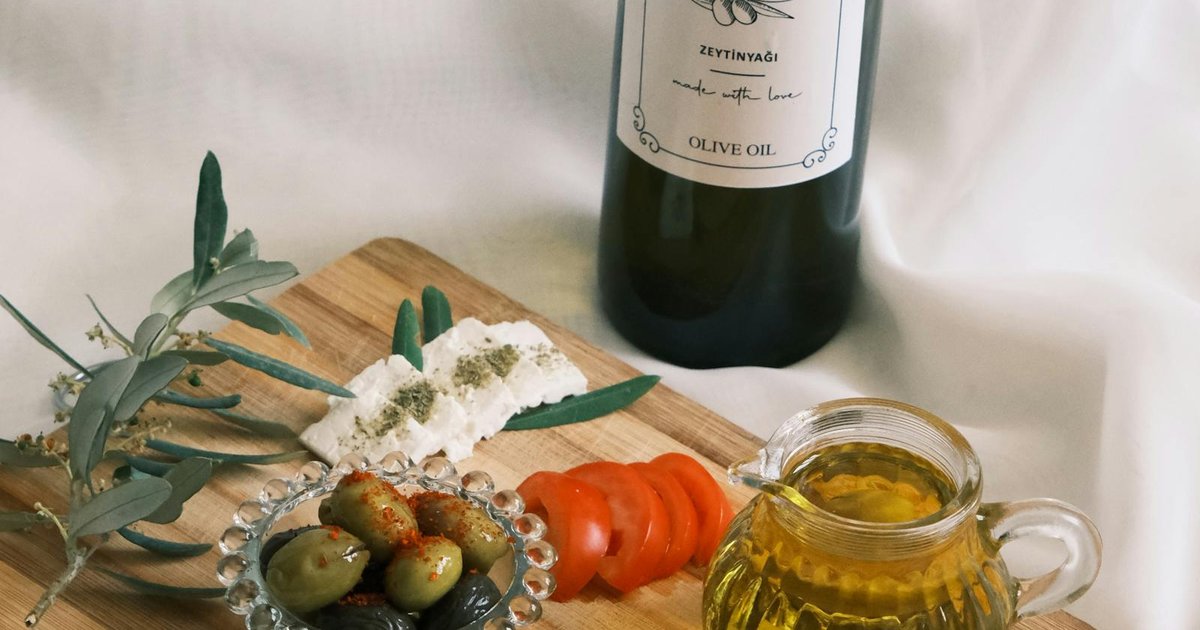
We buy our olive oil in five-litre tins from a farmer friend outside Roda. His groves are within a ten-minute drive of our beach house — most of them planted during the Venetian era, when Corfu farmers received a gold coin for every hundred new trees. Five hundred years later, the oil is the single most useful thing to bring home from Corfu.
This is what we tell guests who want a more structured introduction — where to taste it, what to look for, and how to get the good stuff into your suitcase.
What Lianolia Tastes Like
The island has its own olive variety — Lianolia — which is what makes Corfu oil distinct. Corfu gets more rain than Crete or the Peloponnese, which gives the oil a gentler, more buttery character than the fierce southern Greek oils. Notes of fresh grass, green almond, a light peppery finish in the throat. It's balanced rather than assertive — which makes it the most versatile oil we cook with.
Compare it to a sharp Koroneiki from Crete and the difference is immediate. Corfu oil is the one you'd put on a delicate white fish or a tomato salad; Crete oil is the one you'd pair with a heavier lamb dish.
Best Places for a Tasting
The Governor Olive Mill (Agii Deka)
The serious option. Award-winning producer, 45-minute drive south-east of our beach house. A 2–3 hour experience including a walk through ancient groves, production tour and guided tasting with local bread, cheese and herbs. Our guests who are genuinely curious about olive oil come back raving. Reserve at least a day ahead, especially in summer.
Mavroudis Olive Press Museum
In the countryside near Skripero, 35 minutes from the beach house. A family-owned press turned into a museum, with the old stone millstones and pressing mats on display alongside the modern equipment. Less polished than the Governor, but genuinely authentic — you meet the family, you see how the oil is actually made.
Small-Group Workshops
Several operators run 3–4 hour tours with hotel pick-up, visits to one or two producers, and structured tastings. Good if you'd rather not drive. Ask us — we can recommend a current operator that's reliable.
How a Tasting Works
It follows the same protocol as wine tasting — sight, smell, taste. You warm the oil in your palm to release the aromatics, inhale (grass, tomato leaf, green almond), then sip while drawing air in through your teeth. You're looking for three things: fruity on the front of the palate, bitter in the middle of the tongue, peppery in the throat. The balance between those three is what makes an oil interesting.
A comparison tasting — premium extra virgin next to a refined commercial oil — is where most guests have their "oh" moment. The difference is stark. You'll never buy the same supermarket oil again.
The Harvest (November – February)
If you visit Corfu in winter, the mills are running around the clock and the countryside smells of fresh oil. This is when you can taste agourelaio — the first oil of the season, straight from the press: cloudy, green, intensely flavoured, and genuinely extraordinary. Olive oil people travel specifically for this.
Traditional Corfu harvesting lets the olives fall naturally onto nets spread under the trees — gentler, but later in ripeness. Many modern producers have switched to earlier, tree-harvested picking for a more intense, polyphenol-rich oil. The best farms now offer both.
What to Buy and How to Take It Home
Look for: "extra virgin" (top grade, mechanically extracted), a named Corfiot producer, Lianolia on the label, the harvest year, and acidity 0.2–0.4%. Anything vague — "Greek extra virgin", no origin, no date — skip it.
Take home: metal tins are lighter and safer than glass in checked luggage. Most decent producers will ship larger quantities directly to your address — the sensible option if you want to stock up. Olive oil is allowed in checked luggage but not hand luggage.
Keep it right: cool, dark place, and use it within a year of the harvest date. Unlike wine, olive oil doesn't improve with age — it just fades.
Host's Tip
Skip coffee, mint tea, strong cheese and perfume for an hour before a tasting — they'll all blunt your palate. Drink plain water between oils. And ask whether the tasting is outdoors or indoors: outdoor tastings in autumn are much better than indoor ones in summer heat.
In Our Kitchen
We keep two tins of oil in the beach house at all times: a premium extra virgin for finishing dishes (salad, grilled fish, bread) and a larger tin of good-quality everyday oil for cooking. That's how most Corfiot families approach it, and it's the right instinct — don't waste €25-a-litre oil in a hot pan. Guests are welcome to use both.
Getting Around Olive Country
The best producers are scattered across central Corfu. Public transport doesn't really serve these inland villages, so you'll need a car. A half-day of olive-country driving, morning tasting and a taverna lunch is one of the better days we recommend.
★ Rent a Car with Herbie
Our usual recommendation. Delivered to the beach house, collected wherever you leave it. Small cars are fine — the inland roads are narrow and the parking at village tavernas is tight.
Book a car →Stay With Us
Our beach house in Acharavi is surrounded by working olive groves — it's the right base for a food-focused week on Corfu, with daily swims, inland tastings and long cooking dinners with the oil you just bought. If you'd rather base yourself in Corfu Old Town for a more urban trip, our town house is ten minutes from the wholesale olive oil market where you can also buy from serious producers.
Read Next
For the dishes this oil ends up in, see our guide to Corfu's local cuisine. For a hands-on version, the cooking classes guide covers courses where you cook with freshly milled oil in proper Corfiot kitchens.